Understanding Traditional Sports: Japan's Cultural Heritage

Japan is a country rich in history and culture, and its traditional sports are a significant part of this heritage. These sports not only showcase the physical prowess of athletes but also reflect the values, beliefs, and traditions of Japanese society. In this blog post, we will explore various traditional sports in Japan, their historical significance, and how they continue to influence modern culture.
The Essence of Traditional Sports in Japan
Traditional sports in Japan are more than just games; they embody the spirit of the nation. They are often steeped in rituals and customs that have been passed down through generations. These sports serve as a means of preserving cultural identity and fostering community spirit.
Key Characteristics of Traditional Japanese Sports
Cultural Significance: Many traditional sports are tied to festivals and religious ceremonies, highlighting their importance in Japanese culture.
Physical and Mental Discipline: Athletes often undergo rigorous training, emphasizing not only physical strength but also mental fortitude.
Community Involvement: Traditional sports often involve local communities, fostering a sense of belonging and collective pride.
Sumo Wrestling: The National Sport
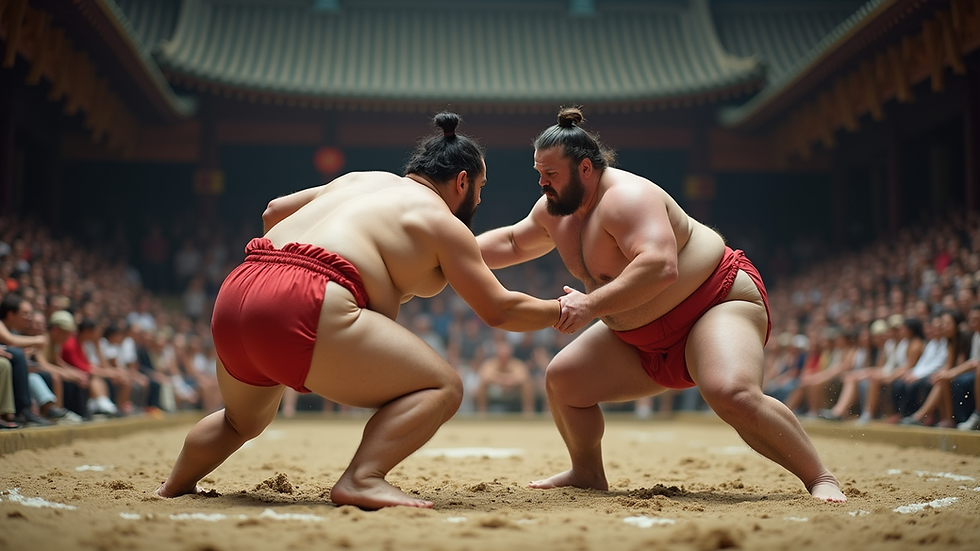
Sumo wrestling is perhaps the most famous traditional sport in Japan. It dates back over a thousand years and is deeply rooted in Shinto rituals.
History of Sumo
Origins: Sumo is believed to have originated as a form of entertainment for the gods. The first recorded sumo match took place in 23 B.C.
Rituals: Sumo matches are preceded by various rituals, including the purification of the ring with salt and the ceremonial entrance of the wrestlers.
The Structure of Sumo
Basho: Sumo tournaments, known as basho, are held six times a year, attracting thousands of spectators.
Rankings: Wrestlers are ranked based on their performance, with the highest rank being Yokozuna.
Modern Sumo
Today, sumo wrestling remains a significant part of Japanese culture, with a dedicated following both domestically and internationally. The sport has adapted to modern times while still preserving its traditional roots.
Kendo: The Way of the Sword
Kendo, meaning "the way of the sword," is a modern martial art that evolved from traditional Japanese swordsmanship. It emphasizes discipline, respect, and the development of character.
The Philosophy of Kendo
Mental Training: Kendo practitioners focus on mental clarity and self-discipline, making it as much a mental exercise as a physical one.
Respect and Etiquette: Respect for opponents and instructors is a fundamental aspect of kendo, instilling values of humility and honor.
Equipment and Practice
Bokken and Shinai: Practitioners use a wooden sword (bokken) for training and a bamboo sword (shinai) for sparring.
Dojo: Kendo is practiced in a dojo, where students learn techniques and engage in matches.
Kendo in Modern Society
Kendo has gained popularity worldwide, with many international competitions showcasing its global appeal. It continues to be a source of pride for Japan, representing the country's martial heritage.
Judo: The Gentle Way
Judo, founded by Jigoro Kano in the late 19th century, is a modern martial art that focuses on throws and grappling techniques. It emphasizes using an opponent's force against them, making it a practical form of self-defense.
The Principles of Judo
Maximum Efficiency: Judo teaches practitioners to use minimal effort for maximum effect, promoting efficiency in movement.
Mutual Welfare: The philosophy of judo encourages mutual respect and cooperation among practitioners.
Judo's Global Impact
Judo has become an Olympic sport, furthering its reach and influence. It is practiced by millions around the world, transcending cultural boundaries while maintaining its Japanese roots.
Traditional Japanese Archery: Kyudo
Kyudo, or Japanese archery, is an ancient practice that combines physical skill with spiritual development. It is often described as "the way of the bow."
The Art of Kyudo
Focus and Precision: Kyudo emphasizes concentration and mindfulness, requiring practitioners to be fully present in the moment.
Rituals: The practice involves a series of rituals, from the preparation of the bow to the shooting of the arrow, reflecting the deep connection between the archer and their equipment.
Kyudo Today
Kyudo is practiced both as a sport and a form of meditation. It is gaining popularity outside Japan, attracting those interested in its philosophical aspects.
The Role of Traditional Sports in Japanese Festivals
Traditional sports often play a central role in Japanese festivals, known as matsuri. These events celebrate local culture and history, bringing communities together.
Examples of Festival Sports
Tug of War (Gyuin): This ancient sport is often featured in festivals, symbolizing community strength and unity.
Yabusame: A form of mounted archery performed during festivals, showcasing the skills of horsemen and archers.
Community Engagement
Festivals provide an opportunity for local residents to participate in traditional sports, fostering a sense of pride and continuity in cultural practices.
The Future of Traditional Sports in Japan
As Japan continues to modernize, traditional sports face both challenges and opportunities.
Challenges
Declining Participation: Younger generations may be less interested in traditional sports, opting for more contemporary activities.
Cultural Preservation: Maintaining the rituals and practices associated with traditional sports is crucial for their survival.
Opportunities
Global Interest: The international popularity of sports like sumo and judo can help revitalize interest in traditional practices.
Cultural Exchange: Hosting international competitions can promote cultural exchange and appreciation for Japan's rich heritage.
Conclusion
Traditional sports in Japan are a vital part of the nation's cultural identity. They embody values of discipline, respect, and community, connecting the past with the present. As these sports continue to evolve, they offer a unique glimpse into Japan's rich heritage and the enduring spirit of its people. Embracing and promoting traditional sports can ensure that future generations appreciate and participate in these time-honored practices.
By understanding and engaging with these sports, we can all contribute to preserving Japan's cultural legacy for years to come.
Comments